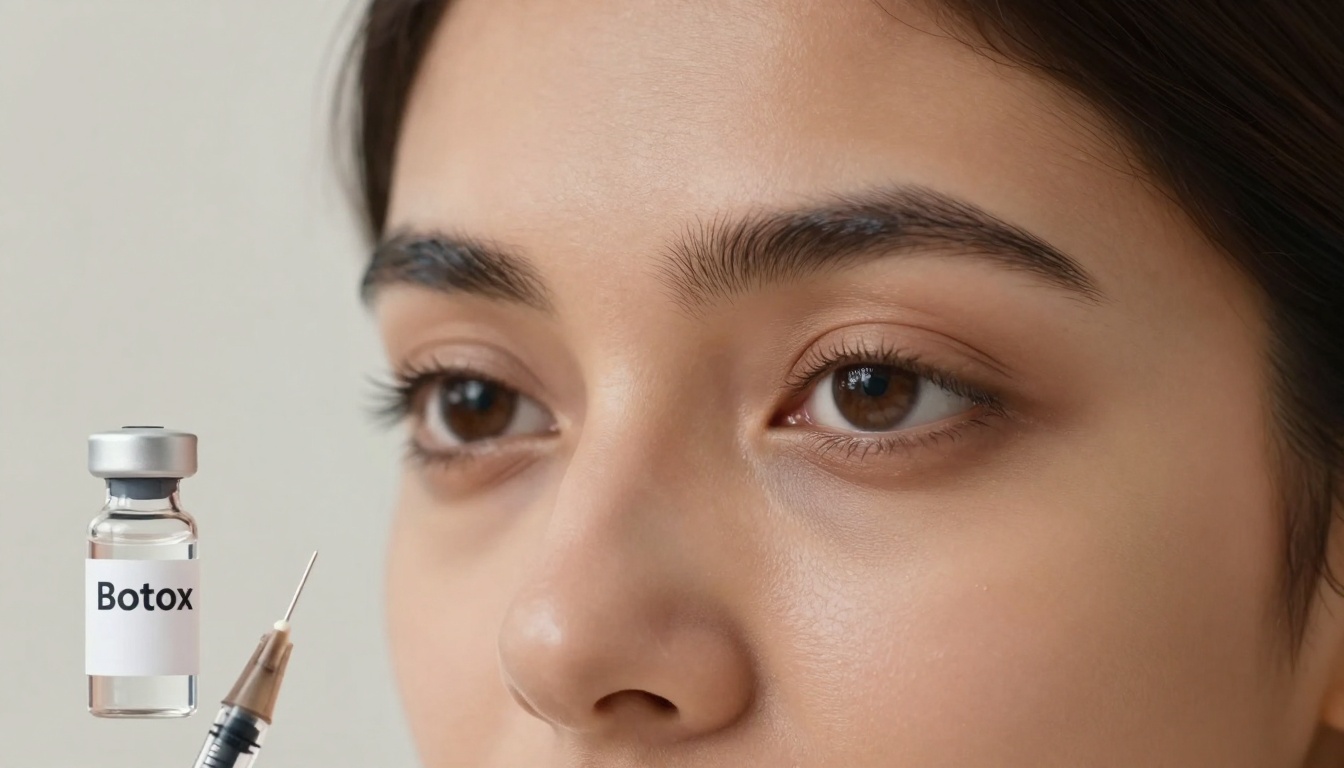
Those tiny lines that fan out from the corners of your eyes can show up fast. One day you’re smiling in a mirror, the next you notice the “spokes on a wheel” look that wasn’t there a few years ago.
Botox crow’s feet treatments work because they calm the muscle that creases the skin when you squint or smile. The tricky part is dosing. Too little and you don’t see much change. Too much and your smile can look tight, or you may feel “off” around the eyes.
Here’s what most people usually need, and the real-life factors that move the number up or down.
What crow’s feet are (and why Botox helps)
Crow’s feet are also called lateral canthal lines. They’re mainly caused by repeated movement of the orbicularis oculi muscle, the circular muscle that helps you blink, squint, and smile.
Botox works by relaxing that muscle just enough to reduce folding in the skin. The goal is usually softer lines with normal expression, not a frozen eye area.
How many units of Botox for crow’s feet is “typical”?
For on-label Botox Cosmetic dosing, the commonly referenced standard is 24 units total, which is 12 units per side (often placed as 3 small injections per side). That’s a useful benchmark, but it’s not a promise or a requirement.
In everyday practice, many people land in a range that’s a bit wider than the label. A common real-world span is 10 to 20 units per side depending on strength, anatomy, and goals (so 20 to 40 total).
A quick dosing snapshot (per side and total)
| Severity and muscle strength | Approx units per side | Approx total units |
|---|---|---|
| Mild lines, lighter squint | 8 to 12 | 16 to 24 |
| Moderate lines, average strength | 10 to 15 | 20 to 30 |
| Deeper lines, strong squint | 12 to 20 | 24 to 40 |
These numbers are broad on purpose. Good injectors don’t dose from a chart alone. They dose from your face in motion.
What changes your Botox dose for crow’s feet?
Think of dosing like seasoning food. The same recipe tastes different depending on the ingredients, the heat, and the person eating it. Here are the “ingredients” that matter most.
Muscle strength (the biggest driver)
Some people have a gentle smile and minimal squint. Others have a strong, athletic orbicularis oculi that bunches the skin quickly. Stronger muscle usually needs more units to see a clear difference.
Your line pattern: smile lines vs squint lines
Not all crow’s feet are created the same.
Smile-dominant lines: Often need a lighter touch to keep the smile looking warm and natural.
Squint-dominant lines: Sometimes tolerate (and require) a bit more product because the movement is tighter and more repetitive.
Static lines vs dynamic lines
Botox treats movement. If your lines are mostly visible only when you smile, dosing can be fairly modest.
If you see lines even when your face is at rest, those are static lines. Botox can still help, but it may not erase them on its own. Many people do best with a combined plan: Botox to reduce folding, plus skin treatments to improve texture.
If you’re exploring texture-focused options, microneedling is one of the go-to treatments for fine lines and crepey skin quality. Learn more here: https://awcmedspa.com/treatments/microneedling
Age and skin thickness
Age isn’t a perfect predictor, but it influences skin behavior.
- Thinner, sun-damaged skin can crease more easily, even with mild muscle action.
- Thicker skin may show fewer fine lines, but strong muscle movement can still create deeper folds.
That means two people can have the same “look” of crow’s feet and still need different dosing.
Your results preference: “soften” vs “smooth”
This is where communication matters.
- If you want your eyes to look refreshed but still lively, you may choose a lower dose.
- If you want the area to look very smooth in photos, you may need more units, or a second pass after the first treatment settles.
A common approach is to start conservative, then adjust at follow-up if needed.
Symmetry and facial balance
Most faces are a little uneven. One side might squint harder, or one eye might naturally sit slightly different. A skilled injector may use different units on each side to even out the result.
First-time Botox vs experienced users
First-timers often benefit from starting a bit lighter, especially around the eyes. Once you see how your face responds, your injector can fine-tune your next dose.
If you’ve had Botox for years, you might need:
- The same dose if your muscles still move strongly
- Less if the muscle has weakened over time from consistent treatment
- More if you’ve always metabolized it quickly or you prefer a stronger result
Product choice (Botox vs Dysport) and unit differences
A big point that gets missed in online conversations: units are not interchangeable between brands. Botox and Dysport are both neuromodulators, but dosing conversions aren’t 1:1. If you’re comparing quotes or past treatments, make sure you’re comparing the same product.
Injector technique and placement
The crow’s feet area is small, expressive, and close to structures you want to protect (like lid position and comfortable blinking). Small placement changes can have a big impact.
A thoughtful injector may:
- Use more tiny injection points with fewer units per point for a softer look
- Place injections slightly differently depending on your smile pattern
- Avoid dosing too low or too close to areas that could feel heavy
What results to expect (and when)
Most people start noticing a change in a few days, with the best result showing around 2 weeks. Crow’s feet treatment often lasts about 3 to 4 months, though some people see a shorter or longer window depending on metabolism and muscle strength.
If you’re treating other areas at the same time, your plan may be coordinated to keep the upper face looking balanced. You can see an overview of neuromodulator options and common treatment areas here: https://awcmedspa.com/treatments/injectables
How to get the right dose without looking “overdone”
Crow’s feet Botox is one of those treatments where less can be more. The best outcomes usually come from:
- A plan based on your face in motion, not a standard number
- Clear goals (soften vs smooth)
- A conservative first treatment when you’re new
- A follow-up plan to refine, if needed
If you’re ready for a personalized recommendation from experienced nurse injectors, schedule a consultation here: https://awcmedspa.com/contact/
Conclusion
There’s a reason dosing questions don’t have a single clean answer. Botox for crow’s feet is about matching units to muscle strength, line type, skin quality, and the look you want. Many people do well around 12 units per side, while others need less or more for a natural result.
If your goal is brighter, rested eyes without losing your expression, the best next step is a tailored assessment and a plan that treats your smile, not a generic number.