If you’re looking to improve your skin’s texture, tone, or overall appearance, you’ve likely come across two popular treatments: microneedling and laser resurfacing.
Both treatments stimulate collagen. Both improve skin quality. And both can deliver impressive results.
So how do you know which one is right for you?
At Aesthetics at WomanCare, the best treatment is the one that aligns with your skin type, concerns, and long-term goals. This guide will walk you through the differences between microneedling and laser treatments so you can make an informed decision.
What Is Microneedling?
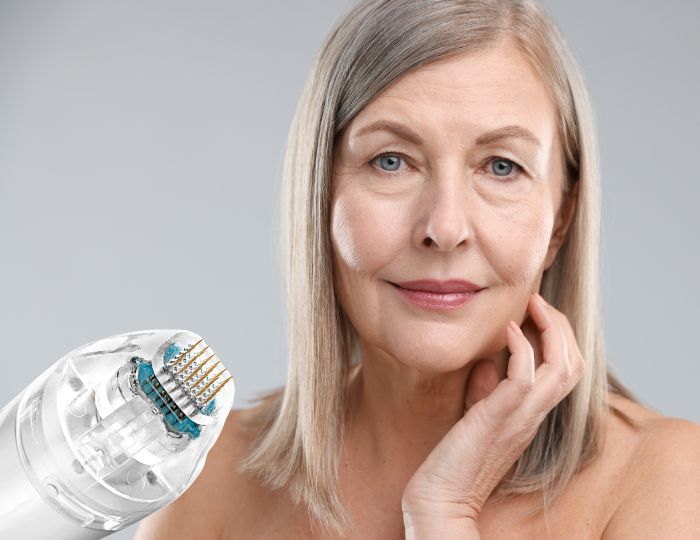
Microneedling is a minimally invasive treatment that uses tiny, controlled micro-injuries to stimulate your body’s natural healing response. These microchannels trigger collagen and elastin production, improving skin firmness and texture over time.
Our professional Microneedling treatments improve:
- Fine lines and early wrinkles
- Acne scars
- Mild skin laxity
- Uneven texture
- Enlarged pores
Because microneedling works by stimulating your own collagen production, results develop gradually and look very natural.
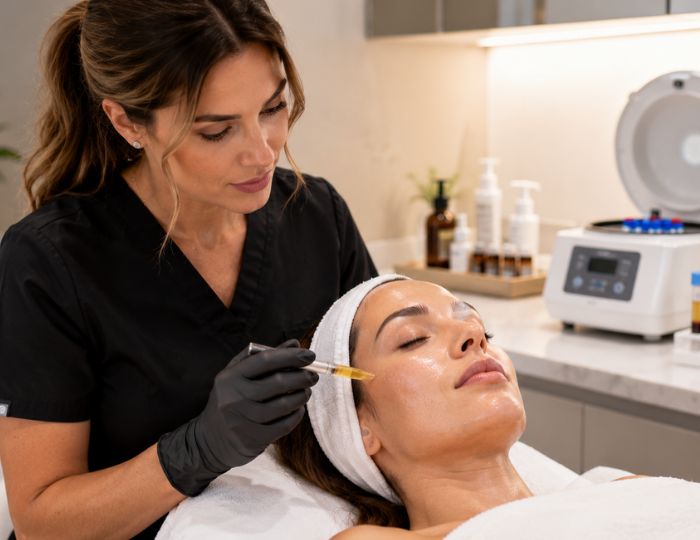
For enhanced collagen stimulation and accelerated healing, microneedling can be combined with PRP (Platelet-Rich Plasma) therapy.
Microneedling is often ideal for patients who want noticeable improvement with minimal downtime.
What Are Laser Treatments?
Laser treatments use focused light energy to target specific skin concerns. Depending on the type of laser used, treatments can address pigmentation, redness, wrinkles, sun damage, and skin tightening.
Our customized Laser Services are designed to treat:
- Sun damage
- Age spots
- Uneven skin tone
- Deeper wrinkles
- Skin laxity
Laser treatments work at various depths of the skin, making them powerful tools for more advanced correction.
Laser procedures may involve slightly more downtime depending on the strength and depth of treatment.
Microneedling vs. Laser: Key Differences
Treatment Depth
Microneedling creates controlled micro-injuries mechanically, while laser treatments use thermal energy to stimulate deeper skin remodeling.
If your concern is acne scarring or early collagen loss, microneedling may be ideal.
If sun damage, pigmentation, or deeper wrinkles are your priority, laser treatments may deliver more dramatic correction.
Downtime
Microneedling typically involves redness for 24–48 hours.
Laser treatments may involve several days of redness or light peeling, depending on intensity.
If minimal downtime is important to you, microneedling may be the more convenient option.
Skin Tone Considerations
Microneedling is generally safe for most skin tones because it does not rely on heat-based energy.
Certain laser treatments require careful customization for darker skin tones. That’s why a professional Skin Consultation is essential before choosing your treatment.
Treatments That May Complement Your Results
Many patients combine resurfacing treatments with other services to achieve more comprehensive rejuvenation. These may include:
For volume loss or deeper structural aging concerns, combining skin treatments with injectables can provide more balanced, natural-looking results.
You can view real patient transformations in our Gallery.
Why Choosing the Right Provider Matters
Both microneedling and laser treatments require proper technique and customization.
You can learn more about our experienced providers on our Our Team page and read patient experiences on our Testimonials page.
Choosing a qualified medical aesthetics provider helps ensure safe settings, appropriate depth, and natural results.
Ready to Improve Your Skin?
If you’re deciding between microneedling and laser treatments, the best next step is a professional evaluation.
Schedule your visit through our Contact Page to determine which option aligns best with your skin goals.
Healthy, radiant skin starts with the right plan — and we’re here to guide you every step of the way.
This article is for informational purposes only and is not intended as medical advice. Please consult a qualified healthcare professional for personalized recommendations regarding your treatment options.