If you’ve started noticing fine lines when you smile, subtle forehead creases that linger, or expression lines that weren’t there a few years ago, you may be wondering: Is it time for Botox?
One of the most common questions we hear at Aesthetics at WomanCare is, “When should I start Botox?” The answer isn’t one-size-fits-all. It depends on your skin, your goals, and how you want to age.
This guide will walk you through what Botox does, when different age groups typically begin treatment, and how to decide what’s right for you.
Understanding Botox: What Does It Actually Do?
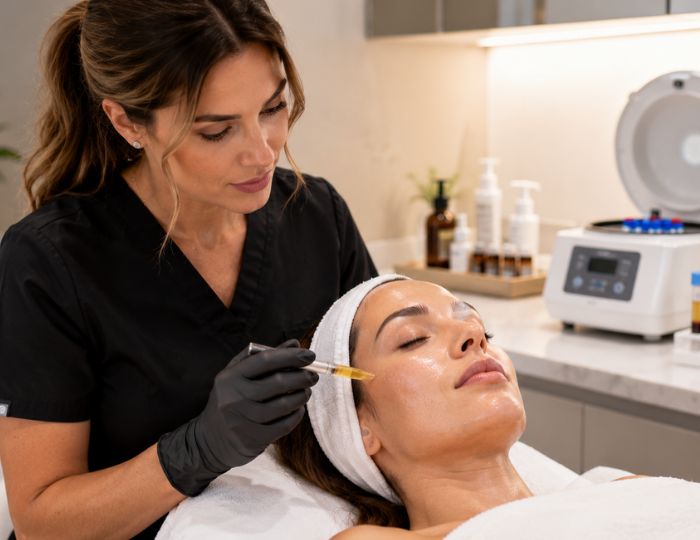
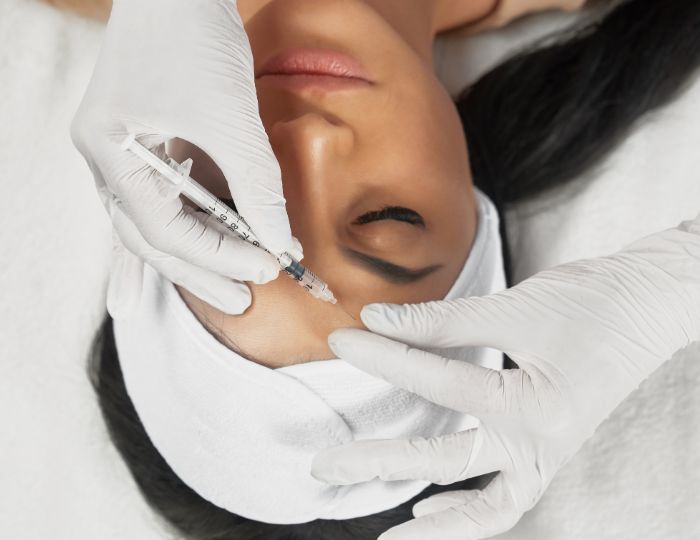
Botox is a neuromodulator that temporarily relaxes targeted facial muscles. By softening repetitive muscle movements, Botox helps reduce:
-
Forehead lines
-
Frown lines (the “11s”)
-
Crow’s feet
-
Bunny lines
-
Lip lines
-
Chin dimpling
When placed precisely, Botox smooths dynamic wrinkles while preserving natural expression. The goal is never to look frozen — it’s to look refreshed.
You can explore our full range of injectable treatments to understand how wrinkle relaxers are customized for each patient.
Botox in Your 20s: Preventative or Premature?
What’s Happening in Your Skin
In your 20s, collagen production is still strong. Most wrinkles are dynamic, meaning they only appear when you move your face.
Why Some People Start Early
Preventative Botox has become more common in recent years. The idea is simple: reduce repetitive muscle movement before deep lines form.
You may consider Botox in your 20s if:
-
You notice strong forehead lines that linger after expression
-
You have prominent frown lines
-
You want subtle prevention rather than correction
That said, not everyone in their 20s needs Botox. A professional skin consultation can help determine whether neuromodulators — or treatments like microneedling or laser services — may be more appropriate for your goals.
Botox in Your 30s: The Most Common Starting Point
What Changes in Your 30s
Collagen production slows. Lines that once disappeared after smiling or frowning may begin to stay visible at rest.
This is when many patients begin Botox — not because they look “older,” but because they want to maintain smoothness and prevent deeper creases.
Botox in your 30s typically focuses on:
-
Softening early forehead lines
-
Preventing deep frown lines
-
Maintaining a refreshed appearance
At this stage, Botox may also be combined with treatments like dermal fillers to restore subtle volume, chemical peels to improve skin texture, or microneedling to stimulate collagen production.
The approach is strategic, not aggressive.
Botox in Your 40s: Correction + Maintenance
What’s Happening Now
By your 40s, dynamic lines may have transitioned into static wrinkles — meaning they’re visible even when your face is at rest.
Botox in your 40s can:
-
Soften deeper lines
-
Prevent worsening creases
-
Improve overall facial balance
Many patients in this age range benefit from a comprehensive treatment plan that may include Botox, PRP (Platelet-Rich Plasma), dermal fillers, or advanced laser treatments for skin tightening and tone correction.
You can view real patient outcomes in our gallery to see how natural and balanced results should look.
Botox in Your 50s and Beyond: It’s Never Too Late
If you didn’t start Botox earlier, that’s completely okay.
Botox can still:
-
Relax deep expression lines
-
Improve brow heaviness
-
Soften crow’s feet
-
Complement other skin rejuvenation treatments
While Botox alone may not erase deep-set wrinkles, it can significantly soften them and improve overall facial harmony when part of a customized treatment plan created by our experienced medical aesthetics team.
How to Know If You’re Ready for Botox
Age is just one factor. More important considerations include:
-
Do your wrinkles stay visible at rest?
-
Are expression lines becoming deeper over time?
-
Do you want prevention or correction?
-
Are you seeking subtle refinement rather than dramatic change?
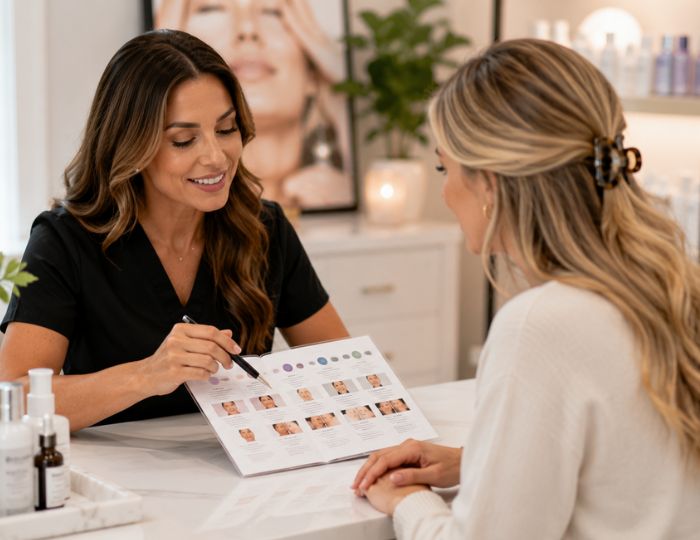
If you’re unsure what to expect, reading about your first injectable consultation can help you feel more confident and prepared.
What If Botox Isn’t the Right First Step?
Not all early signs of aging require neuromodulators.
Sometimes skin concerns are better addressed with:
-
Microneedling for collagen stimulation
-
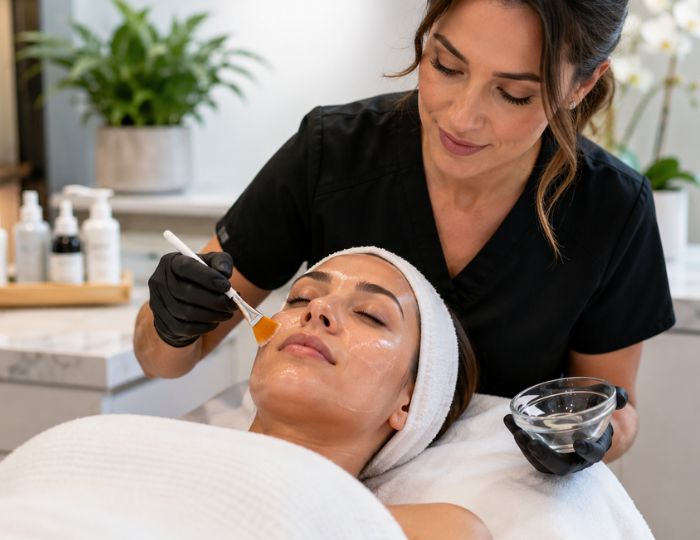
Chemical peels for pigmentation and texture
-
Laser services for tightening and tone correction
-
Facials and dermaplaning for surface rejuvenation
At Aesthetics at WomanCare, we prioritize appropriate treatment — not automatic treatment.
Frequently Asked Questions About Starting Botox
Does starting Botox early make you dependent on it?
No. Botox does not make your muscles “weaker” permanently. If you stop treatment, muscle movement simply returns to normal over time.
How often would I need Botox?
Most patients return every 3–4 months. Over time, some patients find they can extend treatments as muscles learn to relax.
Will I look frozen?
Not when performed properly. The key is expert dosing and placement. Our team focuses on preserving natural movement while reducing harsh lines.
Is Botox safe?
When administered by trained medical professionals, Botox has an excellent safety profile and has been FDA-approved for cosmetic use for decades.
Why Choosing the Right Provider Matters
Botox is technique-dependent. Results rely heavily on:
-
Anatomical understanding
-
Conservative dosing
-
Symmetry assessment
-
Facial balance expertise
You can learn more about our experienced providers on our Our Team page and read real patient experiences in our testimonials.
The Best Time to Start Botox? When It Aligns With Your Goals
There is no “perfect” age to begin Botox.
For some, it’s preventative in their late 20s.
For others, it’s corrective in their 40s.
For many, it’s a thoughtful decision made after years of considering options.
What matters most is:
-
Realistic expectations
-
Safe treatment
-
Personalized planning
-
Natural-looking results
Ready to Explore Your Options?
If you’re considering Botox and wondering whether now is the right time, we invite you to schedule a consultation through our contact page.
You deserve to feel confident in your skin at every stage of life.
Note: This article is for informational purposes only and does not constitute medical advice. Please consult a qualified medical professional for individualized recommendations.